Dev Uthani Ekadashi 2026: Date, Parana Time and Puja Vidhi
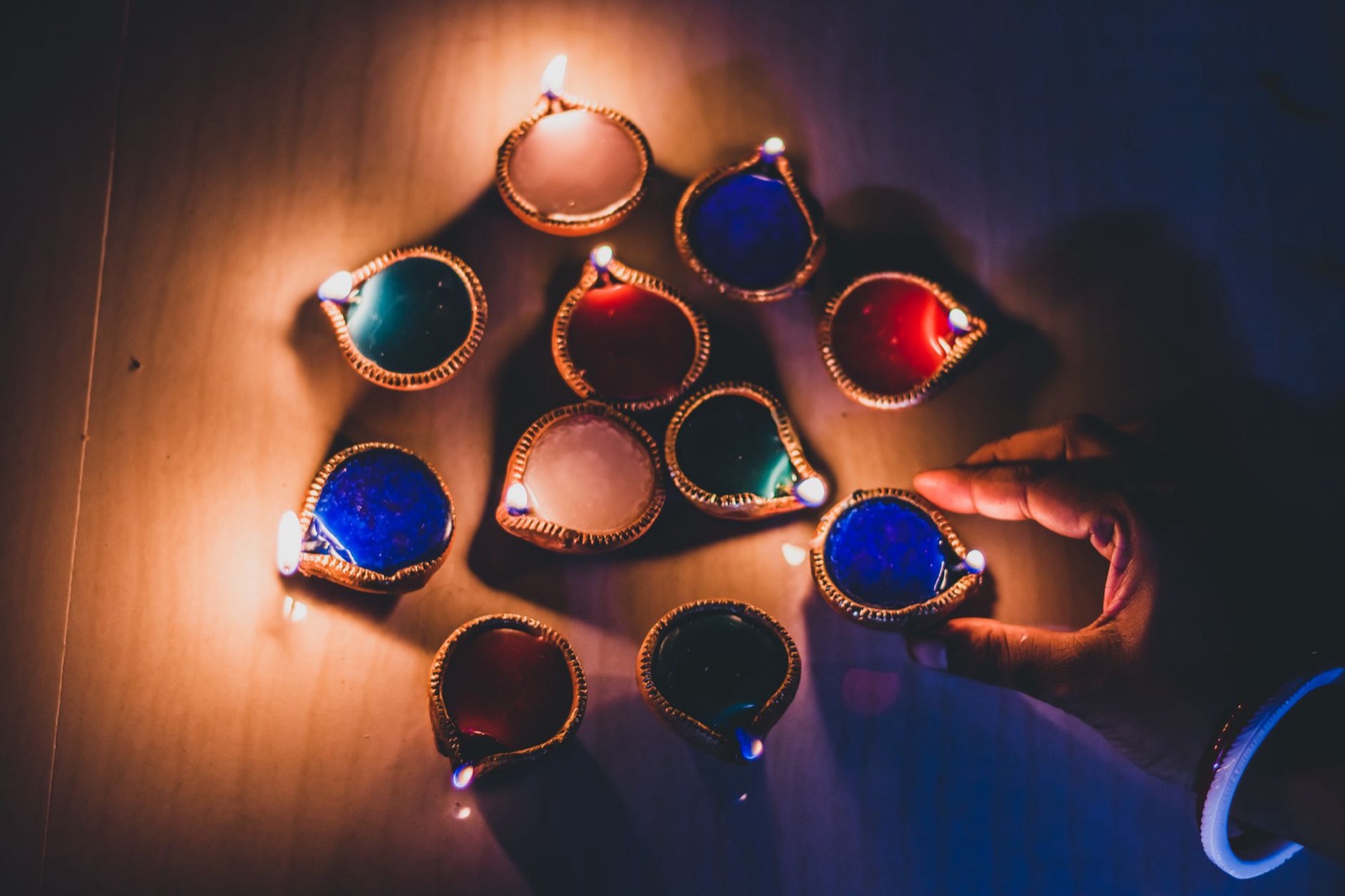
Dev Uthani Ekadashi 2026 falls on Friday, 20 November 2026, according to Drik Panchang for Varanasi, with the fast broken (parana) on Saturday, 21 November. It is the Ekadashi on which Lord Vishnu is believed to wake from his four-month rest, the day Chaturmas draws to a close and the season of weddings, griha pravesh and other auspicious work begins again. This guide sets out the tithi timings, the parana window for the cities our pilgrims travel from, a simple puja vidhi, and where devotees go on the day in Ayodhya, Mathura-Vrindavan and Kashi.
Key takeaways
- Dev Uthani (Prabodhini, Devutthana) Ekadashi is on Friday, 20 November 2026; the Ekadashi tithi runs from 7:15 AM on 20 November to 6:31 AM on 21 November.
- In Varanasi, Drik Panchang gives the parana time as 12:49 PM to 2:58 PM on 21 November; Hari Vasara ends at 12:07 PM that day.
- Drik Panchang also lists a Gauna (Vaishnava) Devutthana Ekadashi on Saturday, 21 November, with parana on 22 November.
- Tulsi Vivah is listed on Saturday, 21 November 2026, the Dwadashi after the Ekadashi.
- In Ayodhya, devotees walk the panchkosi parikrama of about 15 km on this Ekadashi; in Mathura, the district lists the Mathura parikrama on Devotthan Ekadashi.
On this page
Dev Uthani Ekadashi 2026 date and tithi
Dev Uthani Ekadashi is the Shukla Paksha Ekadashi (the eleventh day of the waxing moon) of the month of Kartik. The same day goes by several names: Prabodhini Ekadashi, Devutthana or Devotthan Ekadashi, and, in many North Indian homes, Dev Uthani Gyaras or simply Devuthani. Whatever your family calls it, the date for 2026 is the same.
| What | When (Varanasi, per Drik Panchang) |
|---|---|
| Dev Uthani Ekadashi fast | Friday, 20 November 2026 |
| Ekadashi tithi begins | 7:15 AM, 20 November 2026 |
| Ekadashi tithi ends | 6:31 AM, 21 November 2026 |
| Parana (breaking the fast) | 12:49 PM to 2:58 PM, 21 November 2026 |
| Hari Vasara ends on parana day | 12:07 PM, 21 November 2026 |
| Gauna Devutthana Ekadashi | Saturday, 21 November 2026 (parana 6:20 AM to 8:30 AM on 22 November) |
These timings are from the Drik Panchang Prabodhini Ekadashi page set to Varanasi. Tithi start and end times are the same moment across India; what changes from city to city is sunrise, and with it the parana window. Panchangs are occasionally revised, so check the page again in the week of the fast.
Parana time by city
Parana means breaking the Ekadashi fast. The rules Drik Panchang sets out are simple to follow once you see them in one place:
- Parana is done after sunrise on the day after the fast, and within the Dwadashi tithi.
- It should not be done during Hari Vasara, the first quarter of the Dwadashi tithi.
- Early morning (pratahkal) is the preferred time; midday (madhyahna) is avoided, so if the morning is missed, the fast is broken after midday.
In 2026, Hari Vasara on 21 November does not end until 12:07 PM, which is why the parana window for Dev Uthani Ekadashi 2026 falls in the early afternoon rather than at breakfast time. For the cities most of our families travel from or to:
| City | Parana on 21 November 2026 | Gauna Ekadashi parana on 22 November 2026 |
|---|---|---|
| Varanasi | 12:49 PM to 2:58 PM | 6:20 AM to 8:30 AM |
| Ayodhya (Faizabad) | 12:52 PM to 3:00 PM | 6:26 AM to 8:35 AM |
| Lucknow | 12:56 PM to 3:05 PM | 6:31 AM to 8:40 AM |
| New Delhi | 1:11 PM to 3:18 PM | 6:49 AM to 8:56 AM |
All four rows are from Drik Panchang with the location set to each city. If you are travelling, use the parana time of the place where you will actually be on 21 November, not your home city. For Mathura, Vrindavan, Prayagraj or Ujjain, set the city on Drik Panchang or ask your family Pandit Ji; the window will be within a few minutes of the rows above but should be checked rather than guessed.
Why some calendars show two dates
Search for the date and you will see some sites say 20 November and others 21 November. Both can be right, for different traditions. Drik Panchang explains that when Ekadashi fasting is suggested on two consecutive days, Smarta households (most family traditions) observe the first day, while the second day, the Gauna Ekadashi, is suggested for sannyasis, widows and those seeking moksha, and usually coincides with the Vaishnava Ekadashi. For 2026, Drik lists 21 November as Gauna and Vaishnava Devutthana Ekadashi.
In practice, most families will fast on Friday, 20 November and break the fast on Saturday afternoon. Devotees who follow a Vaishnava sampradaya or a temple calendar such as ISKCON's should follow that calendar. If your family has always followed a particular Pandit Ji or temple, follow them; the difference is one of tradition, not of mistake.
What the day means
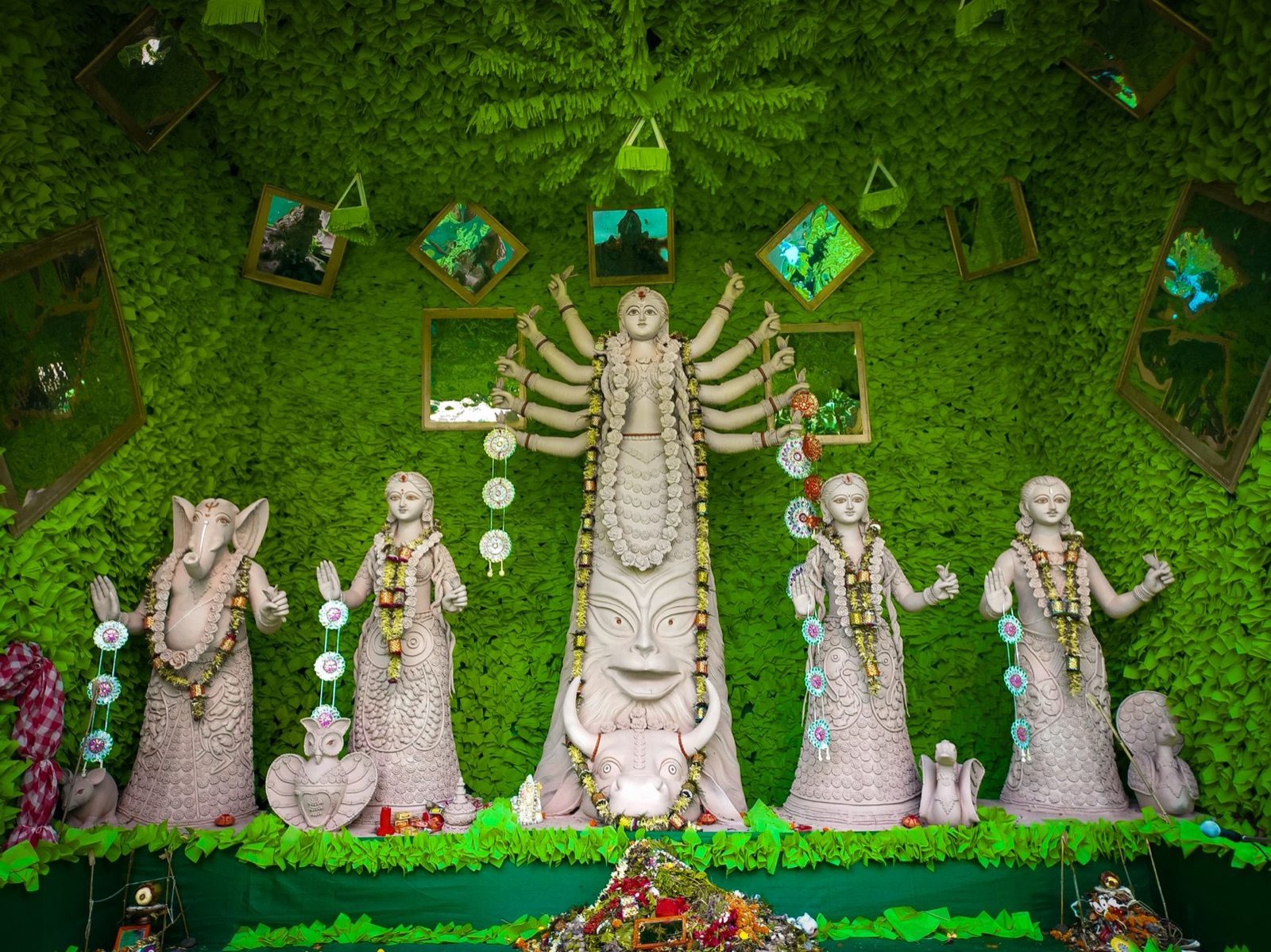
Four months earlier, on Devshayani Ekadashi, Lord Vishnu is believed to go into yogic sleep. In 2026 that Ekadashi fell on Saturday, 25 July, according to Drik Panchang, and Chaturmas, the four holy months of restraint, began with it. Weddings, griha pravesh and similar ceremonies are traditionally avoided in this period.
Dev Uthani Ekadashi is the day he wakes. The name says it directly: the gods (dev) rise (uthana). Drik Panchang marks 21 November 2026 as the last day of Chaturmas, and the auspicious calendar opens again right after. Drik's 2026 marriage-muhurat list for Varanasi shows 21 November as the first available vivah muhurat once Chaturmas is over, which is why so many families plan engagements and weddings for the weeks that follow.
Key insight
Three observances sit back to back in 2026: Dev Uthani Ekadashi on 20 November, Tulsi Vivah on 21 November, and Bhishma Panchak, which Drik Panchang lists as beginning on 20 November and running to Kartik Purnima. If you are planning a trip to Ayodhya, Vrindavan or Kashi in this week, expect crowds at the ghats and main temples on all of these days.
The Ekadashi is also bound up with Tulsi. The ceremonial marriage of the Tulsi plant to Shaligram (a sacred stone form of Vishnu) is performed by many families on the evening of the Ekadashi itself and by many others on the Dwadashi. Drik Panchang lists Tulsi Vivah for 2026 on Saturday, 21 November.
Puja vidhi at home
There is no single vidhi that every family follows; household customs differ by region and sampradaya. What follows is the common North Indian practice, kept simple. If your family has its own way, keep to it.
- The night before (Dashami): eat a light, sattvic meal and avoid grains after sunset if that is your family's custom.
- Morning of the Ekadashi: bathe, wear clean clothes, clean the puja space, and take a sankalp (a short resolve) for the fast, saying what kind of fast you will keep.
- Worship Vishnu: offer water, chandan, yellow flowers, Tulsi leaves (many families pick these the day before), fruit and a ghee lamp. Recite the Vishnu Sahasranama or simply chant his names.
- The waking: in many homes, the feet of Vishnu are drawn in the courtyard or near the puja place with rice paste or chalk. Sugarcane, water chestnut (singhara), ber, seasonal fruit and sweets are kept together and covered, and in the evening the family rings bells or blows a conch and sings to wake the deity.
- Evening: light lamps at the door, the Tulsi plant and the puja place. Families who do Tulsi Vivah on the Ekadashi perform it at dusk.
- Parana the next day: break the fast within the parana window given above, ideally after offering food to the deity and, if your family does so, feeding a Brahmin or someone in need.
On the fast itself, Drik Panchang describes four kinds of Ekadashi fasting, chosen according to one's strength: with water only (jalahar), with milk products (ksheerbhoji), with fruit only (phalahari), or one meal before sunset without grains or pulses (naktabhoji). Elderly parents, people on medication and anyone unwell should choose the gentlest form and talk to their doctor first; a fast kept with devotion does not need to be kept at the cost of health.
If you would like the puja done properly at a temple or at home in one of our cities, our verified Pandit Ji booking lets you request a Vedic pandit, and MargKGB confirms who will come before the day.
Where pilgrims go on the day
Ayodhya: the panchkosi parikrama
In Ayodhya, Dev Uthani Ekadashi is the day of the panchkosi parikrama, a circuit of about 15 km around Ayodhya Dham. When the Ekadashi fell on 1 November 2025, ANI reported devotees gathering at Hanuman Garhi and starting the panchkosi parikrama from early morning, with different groups setting out at different times. The larger 14 kosi parikrama is traditionally walked two days earlier, on Akshay Navami, which Drik Panchang places on Wednesday, 18 November 2026. The start muhurat for each parikrama is announced locally each year, so check with your stay or local contact the day before.
A 15 km walk on a fasting day is demanding. For elderly parents, a short Saryu snan and darshan at one or two temples can be a better choice. Our one-day Ayodhya itinerary shows how to keep the day manageable.
Mathura and Vrindavan
The Mathura district's official Brij parikrama table lists the Mathura parikrama, about 15 km (5 kos), for Akshaya Navami and Devotthan Ekadashi, passing places such as Vishram Ghat, Kankali Devi and Bhuteshwar Mahadev. It lists the Vrindavan parikrama, also about 15 km, for the days between Ekadashi and Poornima, among other occasions. Temples across Vrindavan mark the Ekadashi and Tulsi Vivah, so darshan queues are longer than usual. If you are also walking the Govardhan circuit this season, our Govardhan parikrama route guide covers distances and rest points.
Kashi
In Varanasi, Kartik is a month of early-morning Ganga snan and lamps, and Dev Uthani Ekadashi falls in its last, busiest stretch. Many families take a dip at the ghats, do darshan at Kashi Vishwanath, and stay on for the lamps of Kartik Purnima. Our Dev Deepawali 2026 guide covers that evening in detail.
Ekadashi dates left in 2026
Many readers ask for the full list of Ekadashi dates. Here are the remaining ones for 2026, taken from the Drik Panchang 2026 Ekadashi list for Varanasi, which also has the earlier months:
| Date | Ekadashi |
|---|---|
| Thursday, 5 November 2026 | Rama Ekadashi |
| Friday, 20 November 2026 | Devutthana (Dev Uthani, Prabodhini) Ekadashi |
| Saturday, 21 November 2026 | Gauna and Vaishnava Devutthana Ekadashi |
| Friday, 4 December 2026 | Utpanna Ekadashi |
| Sunday, 20 December 2026 | Mokshada Ekadashi (Vaikuntha Ekadashi) |
A note on a question we hear often, whether Ekadashi is on 1 or 2 November: that was last year. In 2025, Drik Panchang for Varanasi gave Dev Uthani Ekadashi on Saturday, 1 November, with the Gauna Ekadashi on Sunday, 2 November. In 2026 there is no Ekadashi on either of those dates; the November Ekadashis are on the 5th and the 20th.
Planning a pilgrimage around it
If you are travelling for Dev Uthani Ekadashi 2026 rather than observing it at home, a few practical points help:
- Book stays early. The week brings Akshay Navami, the Ekadashi, Tulsi Vivah and then Kartik Purnima, and the first wedding dates of the season. Rooms near the main temples fill early.
- Plan the parana where you will be. If you are on a train on 21 November, carry fruit and water so you can break the fast in the window, and check the time for the nearest city.
- Do not combine a full fast with a full parikrama for elderly parents. A shorter darshan, an evening lamp and a calm parana the next day is a complete observance.
- Keep someone with them in crowds. A MargKGB Buddy is a verified person who stays with your family through queues, entry rules and the walk back from the ghat. A Buddy does not arrange passes or special darshan; only temple trusts issue those, so be wary of anyone offering them.
Key insight
Most confusion about this Ekadashi is not about the date but about the parana. In 2026 the window opens after midday on 21 November because Hari Vasara runs until 12:07 PM, so families who usually break the fast at breakfast should plan for a later meal.
What to do next
Settle with your family which day you will fast, 20 November for most households or 21 November if you follow the Vaishnava calendar, and note the parana time for the city you will be in. If you are going to Ayodhya, Vrindavan or Kashi for the day, book your stay now, keep the plan gentle for older parents, and check Drik Panchang and local announcements again in the week before you travel.
Frequently asked questions
What is the puja vidhi for Dev Uthani Ekadashi?
Bathe in the morning, take a sankalp for the fast and worship Lord Vishnu with water, chandan, yellow flowers, Tulsi leaves picked the day before, fruit and a ghee lamp. Many families draw Vishnu's feet with rice paste, keep sugarcane, singhara and seasonal fruit covered, and wake the deity in the evening with bells, conch and song. Lamps are lit at dusk, and the fast is broken the next day within the parana window.
What are the dates for Ekadashi in 2026?
Drik Panchang's 2026 list for Varanasi gives the Ekadashis remaining after October as Rama Ekadashi on 5 November, Devutthana (Dev Uthani) Ekadashi on 20 November with the Gauna and Vaishnava observance on 21 November, Utpanna Ekadashi on 4 December and Mokshada Ekadashi on 20 December. The full year's list, month by month, is on the Drik Panchang Ekadashi dates page.
Is Ekadashi on 1st or 2nd Nov?
That question belongs to 2025. Drik Panchang for Varanasi gave Dev Uthani Ekadashi 2025 on Saturday, 1 November, with the Gauna Ekadashi on Sunday, 2 November. In 2026 there is no Ekadashi on 1 or 2 November: Rama Ekadashi falls on 5 November and Dev Uthani Ekadashi on Friday, 20 November 2026.
What date is Dev Uthani Gyaras?
Dev Uthani Gyaras is another name for Dev Uthani Ekadashi, since gyaras means the eleventh day. In 2026 it falls on Friday, 20 November. Drik Panchang for Varanasi gives the Ekadashi tithi from 7:15 AM on 20 November to 6:31 AM on 21 November, with parana from 12:49 PM to 2:58 PM on 21 November.
Why is the parana time in the afternoon this year?
Ekadashi parana should not be done during Hari Vasara, the first quarter of the Dwadashi tithi, and Drik Panchang advises avoiding midday. On 21 November 2026, Hari Vasara ends only at 12:07 PM, after the morning window has passed, so the parana falls after midday: 12:49 PM to 2:58 PM in Varanasi and 1:11 PM to 3:18 PM in New Delhi.