Places to Visit in Ayodhya in One Day: Ram Mandir and Beyond

The main places to visit in Ayodhya can be seen well in a single day, as long as you plan around one thing: Ram Mandir's darshan slots. Get that right, and the rest of the city falls into place around it, even with elderly parents in tow. The other temples — Hanuman Garhi, Kanak Bhawan, Ram ki Paidi on the Saryu — are close together and fit easily around it. This guide gives the trust's own darshan and aarti timings, explains how the free passes work, and sets out a calm one-day plan.
Key takeaways
- Ram Mandir free darshan runs 7 AM – 9 PM in two-hour slots, with a break 12 noon – 1 PM, per the temple trust.
- Aarti: Mangal 4 AM, Shringar 6 AM, Shayan 10 PM.
- Passes are free. The trust charges no fee for aarti or darshan passes, and authorises no agents for online bookings.
- Hanuman Garhi, Kanak Bhawan and Ram ki Paidi are close together and fit around Ram Mandir.
- One full day is enough for the main temples; two is kinder with elderly parents.
On this page
Ram Mandir darshan and aarti timings
These are the timings published by the Shri Ram Janmbhoomi Teerth Kshetra, the trust that manages the temple:
| Free darshan slots | |
|---|---|
| 7:00 – 9:00 AM | 1:00 – 3:00 PM |
| 9:00 – 11:00 AM | 3:00 – 5:00 PM |
| 11:00 AM – 12:00 PM | 5:00 – 7:00 PM |
| (12:00 – 1:00 PM break) | 7:00 – 9:00 PM |
| Free aarti darshan | Time |
|---|---|
| Mangal Aarti | 4:00 AM |
| Shringar Aarti | 6:00 AM |
| Shayan Aarti | 10:00 PM |
The trust notes that these timings apply from 18 April 2026 and are shown on your booking receipt. Timings can change on festival days — during Ayodhya Deepotsav, for example, the whole city runs differently; our Ayodhya Deepotsav 2026 guide covers that week.
Key insight
The darshan slots are the backbone of an Ayodhya day. Book a morning slot, and everything else — Hanuman Garhi, Kanak Bhawan, the Saryu — falls into place around it.
How Ram Mandir passes work
The trust's official booking portal offers three kinds of pass:
- Free Sugam Darshan
- Free Samanya Darshan (general darshan)
- Free Aarti
Two statements from the trust matter more than anything else you will read online:
- "Trust does not charge any fee for aarti & darshan passes." There is nothing to pay.
- "Shri Ram Janmbhoomi Teerth Kshetra does not authorize any agents for online bookings." Anyone offering to "arrange" a pass for money is not acting for the trust.
The trust also asks devotees to follow the instructions printed on the pass carefully. Security at the temple is strict; carry as little as possible, and read your pass before you set out.
If someone offers to sell you special access, you now know the answer: the trust's own passes are free, and it authorises no one to sell them.
Places to visit in Ayodhya in one day
The Ayodhya district administration describes the city's main temples. These are the places to visit in Ayodhya that fit easily into one day:
| Place | Known for |
|---|---|
| Ram Mandir (Ram Janmbhoomi) | The temple of Ram Lalla, managed by the trust |
| Hanuman Garhi | About 1 km from Ayodhya station; Bal Hanuman on the lap of Maa Anjani |
| Kanak Bhawan | North-east of Ram Janmbhoomi; believed gifted to Sita by Kaikeyi |
| Ram ki Paidi | The ghats on the Saryu, beautiful in the evening |
| Nageshwarnath | At Ram ki Paidi; traditionally said to be founded by Kush, Ram's son |
| Devkali | Near Naya Ghat; by tradition, the goddess Sita worshipped in Ayodhya |
Hanuman Garhi is where many pilgrims begin: the tradition is to seek Hanuman's blessing before going to Ram's temple. The district notes the belief that Hanuman lived here to guard Ayodhya.
Kanak Bhawan is close to Ram Janmbhoomi. The district calls it one of the finest temples in the city, and records the belief that it was gifted to Sita by Kaikeyi after her marriage to Ram.
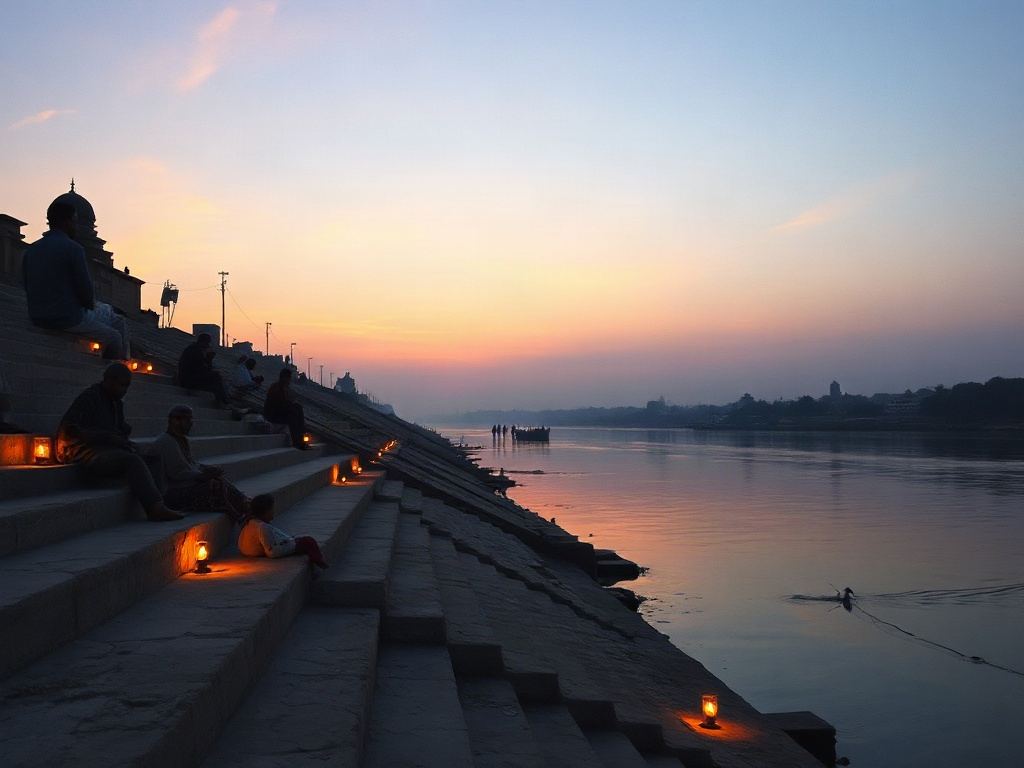
Ram ki Paidi is a series of ghats along the Saryu. The district describes the riverfront as especially striking when lit at night — the perfect end to the day.
A one-day plan
| Time | What |
|---|---|
| Early morning | Hanuman Garhi, before the crowds |
| Morning slot | Ram Mandir darshan, on your booked pass |
| Late morning | Kanak Bhawan, close to Ram Janmbhoomi |
| 12 noon – 3 PM | Lunch and rest — the midday break is the hottest part of the day |
| Afternoon | Devkali, or a slow walk in the old town |
| Evening | Ram ki Paidi and Nageshwarnath on the Saryu |
If you want to attend an aarti, the Shringar Aarti at 6 AM is the easiest to fit into this plan — it means an early start, but it leaves the rest of the day open. The Shayan Aarti at 10 PM suits families staying the night nearby.
Key insight
Book the Ram Mandir slot first, then build the rest of the day around it. The biggest mistake visitors make is planning the other temples first and finding no darshan slot left at a sensible time.
Getting to Ayodhya and getting around
Ayodhya is reached by rail, road and air. Hanuman Garhi is about a kilometre from Ayodhya railway station, according to the district administration, which makes the station a convenient starting point for a day like this. By road, Ayodhya is well connected with Lucknow and other cities in Uttar Pradesh.
Inside the city, e-rickshaws and autos are the easiest way to move between the temples. The area around Ram Janmbhoomi has security cordons and restricted vehicle zones, so expect to walk the last stretch. On festival days, traffic diversions can add a great deal of time; build in more than you think you need.
What to carry and what to leave behind
- Your darshan pass, and a photo ID for everyone named on it.
- As little as possible besides. Temple security is thorough, and anything you are not allowed to take in must be left outside.
- Comfortable footwear you can slip off easily — you will remove it at every temple.
- Water and a light snack for the gaps between temples.
- Modest clothing, suitable for temple visits and for the heat of the middle of the day.
Read the instructions on your pass the night before. The trust asks devotees to follow them carefully, and they are the most reliable guide to what is allowed on the day.
If you have two days
Two days make Ayodhya far more comfortable, especially with elderly parents:
- Day one: Hanuman Garhi, Ram Mandir on a morning pass, Kanak Bhawan, and a long rest.
- Day two: an early visit to Ram ki Paidi and Nageshwarnath while the ghats are quiet, then Devkali near Naya Ghat, and time simply to sit by the Saryu.
The second day is also the one you will remember most — the temples without the rush, and the river without the crowd.
Visiting with elderly parents
- Book a morning slot. It is cooler, and the day ahead is easier.
- Keep belongings to a minimum. Security is thorough; less to carry means less to manage.
- Plan a real rest at midday. Temple-to-temple walking in the sun is hard on older pilgrims.
- Consider two days instead of one. Ram Mandir one morning, the other temples the next.
- Check festival dates. Deepotsav and Diwali week are the most crowded of the year, and Ram Navami brings very large crowds too.
Ayodhya is one of the cities where MargKGB works. Our verified contacts include stays and drivers in Ayodhya, and connect you with them directly. If your parents are going without you, a MargKGB Buddy can stay with them from the queue to the Saryu — our comparison of a guide and a Buddy explains what a Buddy does. For a puja performed in your family's name in Ayodhya, see our puja and darshan services.
What to do next
Book your Ram Mandir darshan pass on the trust's official portal — it is free, and you need no agent. Choose a morning slot, plan Hanuman Garhi before it and Kanak Bhawan after, rest through the heat of midday, and end the day at Ram ki Paidi on the Saryu. That covers the main places to visit in Ayodhya in one unhurried day — and if you can give it two, even better.
Frequently asked questions
What are Ram Mandir darshan timings?
The Shri Ram Janmbhoomi Teerth Kshetra trust lists free darshan slots from 7 AM to 9 PM, in two-hour windows with a break from 12 noon to 1 PM. Its free aarti darshan is at 4 AM (Mangal), 6 AM (Shringar) and 10 PM (Shayan).
How do I book Ram Mandir darshan?
Through the trust's official portal, online.srjbtkshetra.org, which offers Free Sugam Darshan, Free Samanya Darshan and Free Aarti passes. The trust states that it charges no fee for aarti and darshan passes and does not authorise any agents for online bookings.
How to get VIP darshan in Ayodhya?
There is no paid VIP darshan to buy. The trust's own passes, including Sugam Darshan, are free and booked on its official portal. Anyone charging for "VIP" access is not an agent of the trust, which says it authorises none.
How to book an aarti pass for Ram Mandir?
On the trust's official portal, under Free Aarti. Aarti passes are free. Follow the instructions printed on the pass carefully, as the trust asks.
What time is aarti at Ram Mandir?
According to the trust, Mangal Aarti is at 4 AM, Shringar Aarti at 6 AM and Shayan Aarti at 10 PM.
How to see Ayodhya in one day?
Start with Ram Mandir in the morning, then Hanuman Garhi and Kanak Bhawan nearby, rest in the afternoon, and end at Ram ki Paidi on the Saryu in the evening. It is a full but manageable day.