Pitru Paksha 2026: Dates, Shraddh Rules and Where to Do Pind Daan
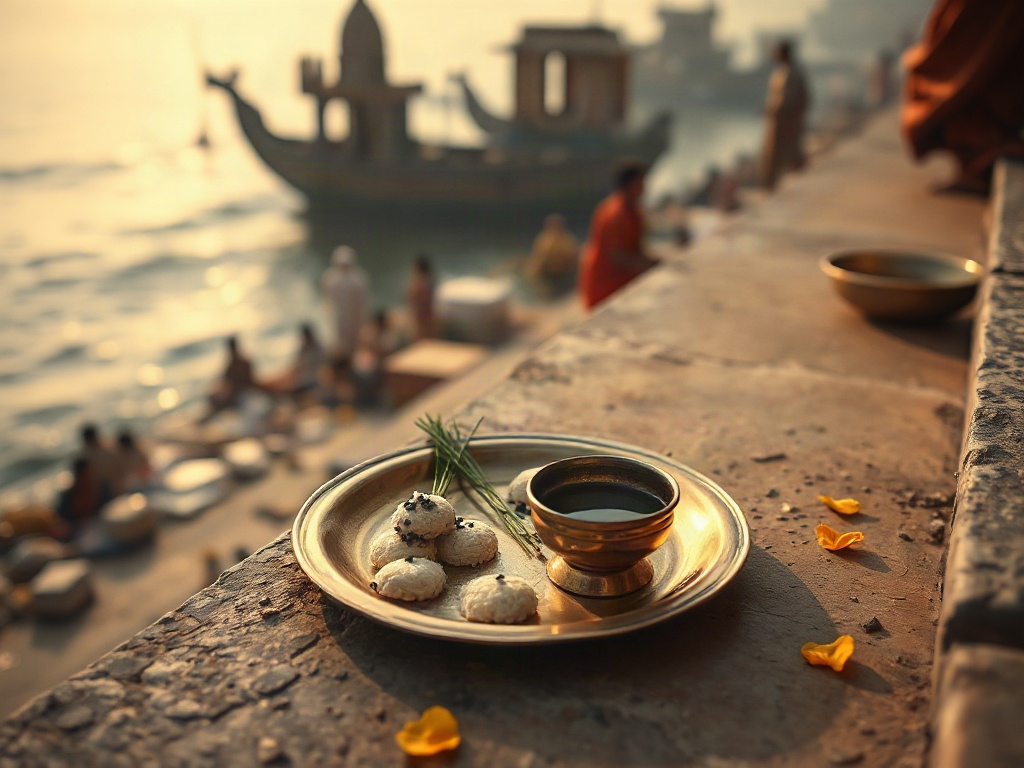
Pitru Paksha 2026 begins on Saturday 26 September and ends with Sarva Pitru Amavasya on Saturday 10 October. If someone in your family has died and this is your first shraddh, the hardest part is not the ritual — it is knowing which day is yours, and who you can trust to do it properly. This guide covers both.
Key takeaways
- Pitru Paksha 2026 runs 26 September to 10 October, ending on Sarva Pitru Amavasya.
- Your family's day is decided by the tithi on which the person died, not by the English date.
- If the tithi is not known, the rites are performed on the last day, Sarva Pitru Amavasya.
- Shraddh is the whole rite; tarpan is the water offering inside it; pind daan is the rice-ball offering.
- Gaya is the best-known place for pind daan; the rites are also performed at Varanasi and at the Sangam in Prayagraj.
- If you cannot travel, a verified pandit can perform the rite in your name with your gotra.
On this page
Pitru Paksha 2026 dates
| Day | Date 2026 | What it is |
|---|---|---|
| Purnima Shraddha | Saturday 26 September | The fortnight begins |
| Pratipada Shraddha | Sunday 27 September | First tithi of the paksha |
| Sarva Pitru Amavasya | Saturday 10 October | Last day, for all ancestors |
The rites are performed in the aparahna period, the afternoon portion of the day, and the exact muhurat differs by city because tithi timings are local. On 26 September the Kutup muhurat falls at 11:25 AM to 12:13 PM in Varanasi and 11:54 AM to 12:42 PM in Ujjain — roughly half an hour apart for the same rite on the same day.
That is why we will not print one national timing. Ask the pandit performing your rite for the muhurat in the city where it is being done, and plan the morning around it.
Shraddh, tarpan and pind daan are not the same thing
People use the three words interchangeably, and then get confused when a pandit asks which one they want. They sit inside one another.
- Shraddh is the whole rite performed in honour of one's ancestors. The Dharmashastra tradition, quoted in the Manusmriti commentaries, defines it as the rite laid down to be done in honour of one's ancestors.
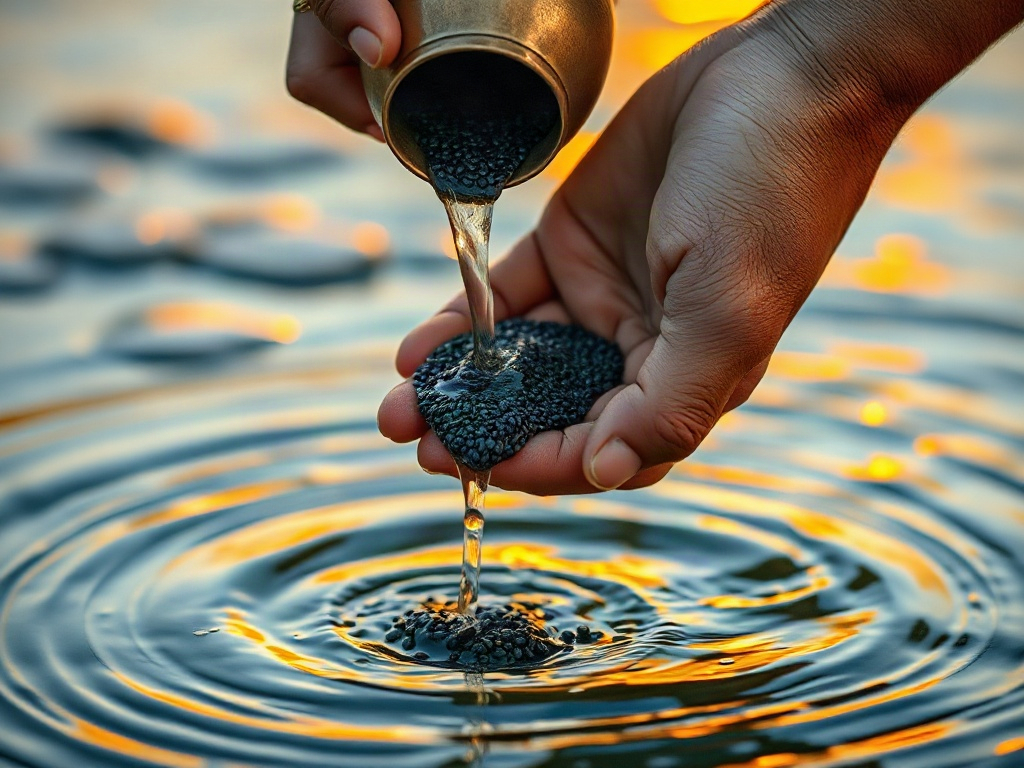
- Tarpan is the offering of water within it. Manu-smriti 3.70 puts it plainly — pitṛyajñastu tarpaṇam — the offering to the ancestors is tarpan, presenting libations of water to the departed.
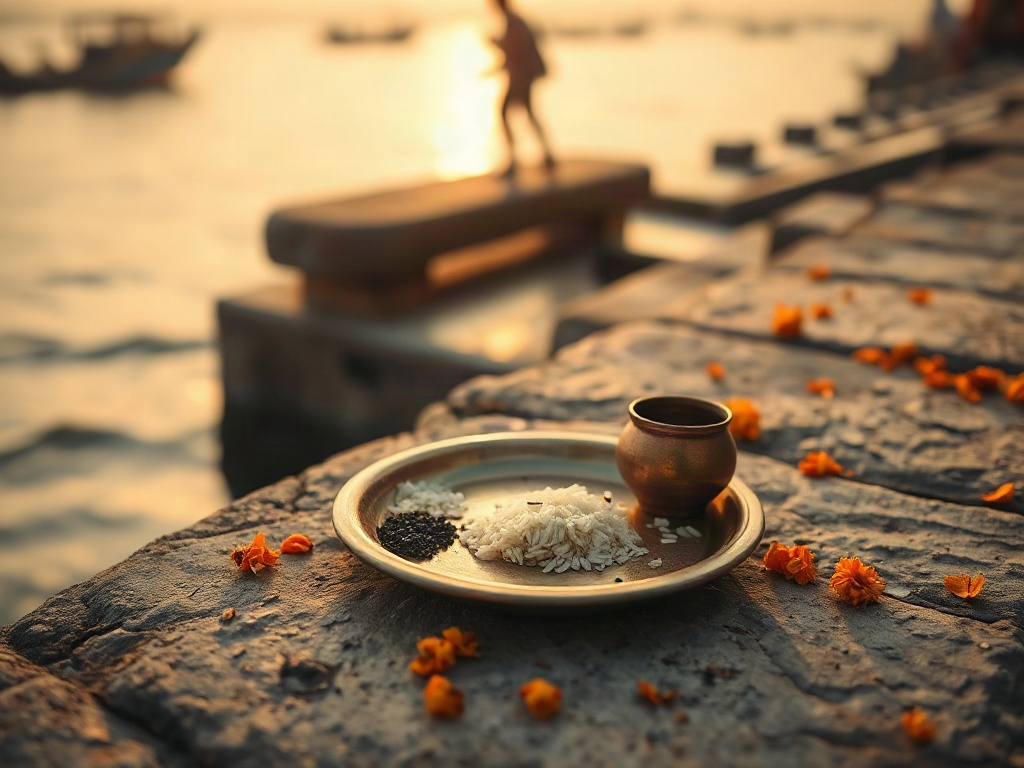
- Pind daan is the offering of pindas, balls of cooked rice and barley flour mixed with ghee and black sesame, made to the ancestors by name.
So a family does shraddh, and inside it the pandit performs tarpan and pind daan. If someone offers you "pind daan" as a complete package, ask what else is included.
Key insight
Three generations are remembered in this fortnight — father, grandfather and great-grandfather, and the same on the mother's side. That is why the pandit will ask for names and gotra before he begins, and why it is worth writing them down before you travel.
Which day belongs to your family
This is the question that brings most people to this page. The rule is simple, and it surprises people who have only ever used a Gregorian calendar.
Your family's shraddh day is the tithi — the lunar day — on which the person died. It is not the anniversary by English date. A death on 3 October one year may fall on a different English date within Pitru Paksha the next, because the two calendars move differently.
Three situations cover almost everyone:
- You know the tithi. Perform the rites on that tithi within the fortnight.
- You do not know the tithi. Perform them on Sarva Pitru Amavasya, 10 October 2026, the day meant for all ancestors regardless of when they died.
- You missed the day. The last day carries the same intention, and families who could not perform the rites earlier do them then.
Key insight
If nobody in the family remembers the tithi, you have not failed at anything. Sarva Pitru Amavasya exists precisely for that — one day that covers every ancestor whose day was forgotten.
Where the rites are performed
Gaya, Bihar is the best-known destination for pind daan. The Gaya district administration records that Lord Ram is believed to have performed pind daan there for his ancestors at the Vishnupad temple, on the bank of the Falgu, and it holds the Pitripaksh Mela during this fortnight. If Gaya is where your family goes, go with that tradition — MARG does not operate there, and we would rather say so than pretend otherwise.
Varanasi is where many families perform shraddh and tarpan, on the ghats along the Ganga. Manikarnika, which the Varanasi district administration describes as a place where cremations continue around the clock and which it calls a symbol of the circle of life and death, is the ghat most associated with the last rites. The Pishach Mochan kund in the city is associated by long local tradition with Tripindi Shraddh; we have not found an official source that documents it, so treat what you read about its rules with care and ask your pandit directly.
Prayagraj draws families to the Triveni Sangam, the confluence of the Ganga, Yamuna and the Saraswati, for tarpan and for asthi visarjan. Official tourism sources describe the Sangam's significance and the holy dip, but do not publish ritual procedures or boat rates, so agree any boat fare before you step in, not after.
What to arrange before you go
There is no official checklist for this rite. What exists online as a "samagri list" mostly comes from vendors selling the samagri. The pandit performing your shraddh will tell you exactly what to bring, and that is the list to follow.
What you can settle in advance, and should:
| Before you travel | Why it matters |
|---|---|
| The names and gotra of the ancestors being remembered | The pandit needs them at the sankalp; families often scramble at the last moment |
| Who is performing the rite, and their contact number | Most distress on the day comes from arriving and looking for someone |
| The muhurat in that city | Aparahna timings differ by city, as above |
| What the total cost covers, agreed before the day | Grief is a bad time to negotiate |
| Where you are staying and how you will reach the ghat | Ghat lanes are crowded and vehicles stop far away |
That last row matters more than people expect. If you are arranging this for parents travelling without you, our verified contacts cover the stay, the driver and the pandit, and a MARG Buddy can be with them on the day itself.
If you cannot travel this year
Not everybody can be there. Work, health, money, a visa, a small child at home — none of these make the duty go away, and families carry real guilt about it.
A verified pandit can perform the rite at the sacred city in your name, using your gotra and the names of the ancestors being remembered. You are told when it will be done, and by whom. For families abroad, this is often the only practical way to keep the tithi, and it has been done this way for far longer than the internet has existed.
If that is what you need this year, tell us the city, the tithi and the names, and we will arrange a pandit who performs that specific rite. Our puja and darshan services page lists what else can be arranged the same way, from Rudrabhishek to Narayan Bali.
The verse behind the rite
The Bhagavad Gita explains, in Arjuna's own words on the battlefield, why the offering matters. In verse 1.41 he fears what happens when a family line breaks:
पतन्ति पितरो ह्येषां लुप्तपिण्डोदकक्रियाः
patanti pitaro hy eṣāṁ lupta-piṇḍodaka-kriyāḥ
The ancestors fall, deprived of the offerings of food and water made to them.
Pinda and udaka — the rice ball and the water. The two offerings this fortnight is built around, named in the Gita itself. That is the whole idea behind shraddh: a family keeping a promise that nobody signed.
What to do next
Find the tithi first — ask the eldest person in the family, because they usually remember it even when the paperwork is lost. If it cannot be found, keep 10 October free. Then decide who is performing the rite and where, and settle the cost before the day rather than on it.
Pitru Paksha 2026 is a fortnight for remembering. The arrangements should not be the part you remember it for.
Frequently asked questions
What happens during Pitru Paksha?
For a fortnight, families remember three generations of ancestors with shraddh rites. On the family's own day, a pandit performs tarpan, the water offering, and pind daan, the rice-ball offering, usually beside a river, and food is offered before the family eats.
What is the 15 days of Shradh?
Pitru Paksha is a fifteen-day fortnight. Each lunar day in it corresponds to the tithi on which an ancestor died, so every family has its own day within the fortnight rather than one common date.
How do I know my family's Shradh date?
It is the tithi, the lunar day, on which the person died, not the English calendar date. If nobody remembers the tithi, families perform the rites on Sarva Pitru Amavasya, the last day, which is meant for all ancestors.
What should we avoid during Pitru Paksha?
By long custom, families avoid starting new things in this fortnight, such as weddings, house-warmings and big purchases. It is treated as a period of remembrance rather than celebration. This is custom, not a rule any authority publishes.
Which place is famous for Pind Daan in India?
Gaya in Bihar is the best known. The district administration notes that Lord Ram is believed to have performed pind daan there for his ancestors, and the Pitripaksh Mela is held at the Vishnupad temple. The rites are also performed in Varanasi and at the Sangam in Prayagraj.
Can Pind Daan be done if we cannot travel?
Yes. A verified pandit can perform the rite at the sacred city in your name, with your gotra and the names of the ancestors being remembered. Many families abroad arrange it this way.