Mangalnath Temple Ujjain: Mangal Dosh Puja, Bhat Puja and History
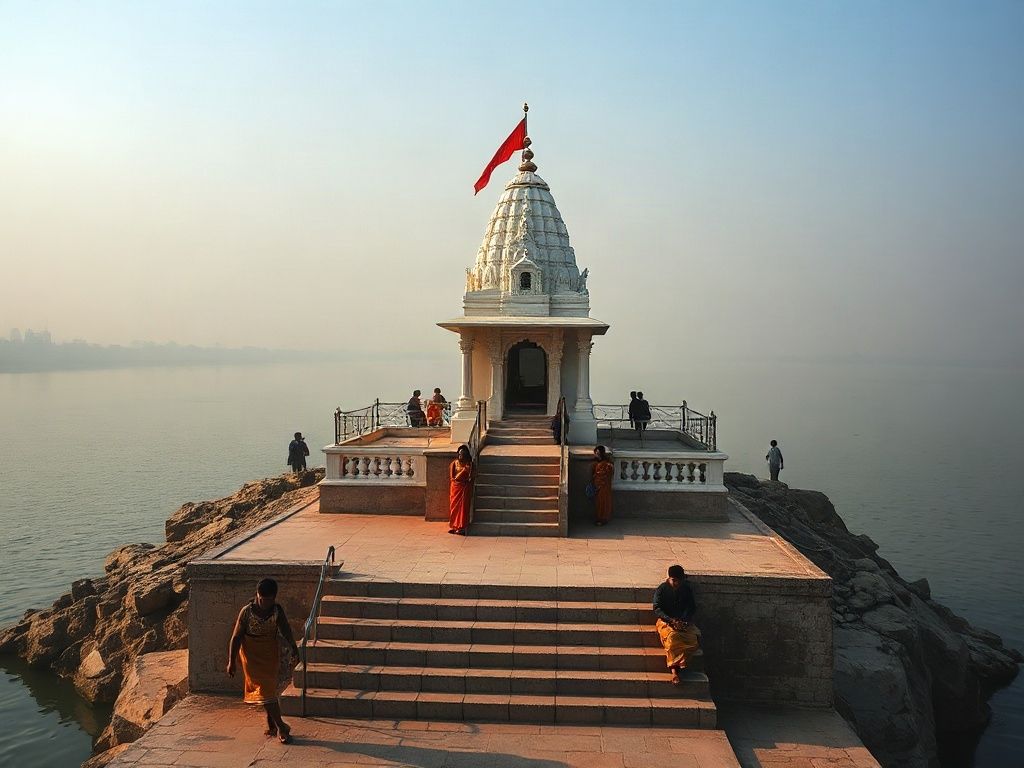
Mangalnath temple in Ujjain stands on the bank of the Shipra and is revered as the birthplace of Mangal, the planet Mars. It is one of the few temples in the country dedicated specifically to Mangal, and families travel from all over India to perform Mangal Dosh puja and the traditional Bhat puja here. This guide covers the temple's story, what those pujas are, when to go, and what to settle with a pandit before you begin.
Key takeaways
- Mangalnath temple, Ujjain is revered as the birthplace of Mangal (Mars), according to the Matsya Purana.
- Lord Shiva is the presiding deity; the Shivling is believed to have arisen with Mangal's birth.
- Families come to Mangalnath temple in Ujjain for Mangal Dosh puja and Bhat puja, an offering of cooked rice to Mangal Dev.
- Tuesday is the most auspicious — and the busiest — day. Puja rituals are generally held between 7 AM and 3 PM.
- No official puja price is published. Agree the dakshina and what it covers before you start.
On this page
The story of Mangalnath temple Ujjain
The story is told in the Purana tradition. MP Tourism's page on the temple summarises it: according to the Matsya Purana, Mangal is the son of Prithvi, the Earth, and emerged from a drop of perspiration that fell from Lord Shiva during an intense cosmic battle. The Shivling at Mangalnath is believed to have arisen from that same origin — which is why the temple is dedicated to Shiva, worshipped here as the presiding deity, and why the site is revered as the birthplace of Mars.
The temple sits a little away from the old city, reached by a winding road, on a stretch of the Shipra with open views of the water and sky. MP Tourism notes that its location adds another layer of meaning. Ujjain was long regarded as a prime meridian for time calculations in ancient Indian astronomy, and the Tropic of Cancer is believed to pass near the region. The Wikipedia entry on the temple likewise records it as the birthplace of Mars according to the Matsya Purana, and describes it as one of the most active temples in the city.
Key insight
Ujjain is a city where faith and astronomy have always sat side by side — it has an 18th-century observatory and a temple to the planet Mars within a few kilometres of each other. Mangalnath makes most sense when you see it as part of that tradition, not only as a place for remedies.
What Mangal Dosh is, and what it is not
Mangal Dosh is a concept from Vedic astrology. When Mangal, Mars, sits in certain positions in a person's birth chart, the chart is described as Manglik, and tradition associates this with difficulties, most often in marriage. It is one of the most discussed ideas in Indian matchmaking.
Three things are worth keeping in mind, especially if a family member has just been told they are Manglik:
- It is an astrological interpretation, not a diagnosis. Astrologers themselves often disagree on whether a particular chart is Manglik and how strong the effect is.
- Fear is not a good reason to spend money. Anyone who tells you something terrible will happen unless you pay for a particular puja is selling, not advising.
- The puja is an act of faith. Families perform Mangal Dosh puja for peace of mind and blessings, as they would any other puja. That is a perfectly good reason — it does not need to be dressed up as a guarantee.
Key insight
If a family member is anxious about being Manglik, the most helpful thing is a calm conversation with an astrologer or pandit your family already trusts — not a rushed booking with the first person who quotes a price.
Bhat puja and Mangal Dosh puja at Mangalnath
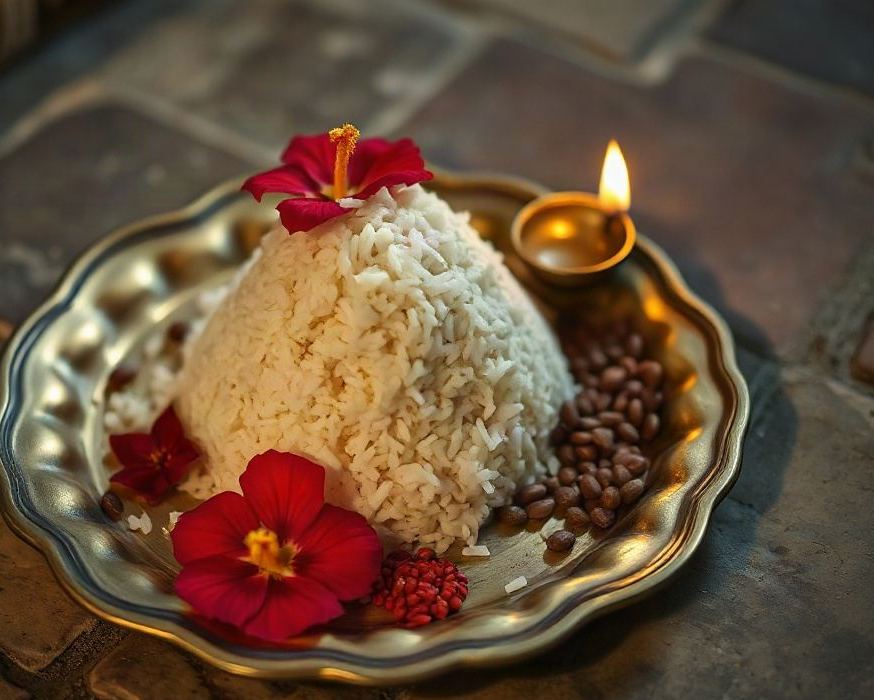
Bhat puja is the ritual Mangalnath is best known for. Bhat means cooked rice, and the puja is an offering of rice to Mangal Dev on the Shivling, led by a pandit, with the devotee's name and gotra. It is customarily performed for someone whose chart is described as Manglik, very often before marriage.
Mangal Dosh puja is the broader term for the rituals families perform here for the same purpose. Depending on the pandit and your family's practice, it may include abhishek, specific mantras for Mangal, and offerings associated with the planet, such as red flowers and red lentils.
| Bhat puja | Mangal Dosh puja | |
|---|---|---|
| What it is | Offering of cooked rice to Mangal Dev | A broader set of rituals for Mangal |
| Who it is for | Usually someone whose chart is described as Manglik | The same, and anyone seeking Mangal's blessings |
| Where | Mangalnath, Ujjain | Mangalnath and other temples |
| Best day | Tuesday | Tuesday |
When to visit
- Tuesday is Mangal's day, and MP Tourism notes that it draws a significant influx of worshippers. It is the most auspicious day — and the most crowded.
- Mornings are best for a puja. MP Tourism says puja rituals are generally conducted between 7 AM and 3 PM, and that the temple is open daily from early morning until late evening.
- Early morning aarti is one of the calmest times to simply take darshan.
If you want a puja on a Tuesday, go early and expect to wait. If you only want darshan, a weekday other than Tuesday will be much quieter.
What to expect on the morning of the puja
For a family doing this for the first time, here is how the morning usually goes.
- Arrive early. On a Tuesday especially, the queue for pujas builds quickly after the temple opens.
- Leave footwear and phones at the stands outside, as you would at any temple.
- Meet your pandit at the agreed place. If you arranged one in advance, this is where it pays off — you are not choosing someone at the gate.
- The sankalp. The pandit takes the name, gotra and, usually, the date and time of birth of the person the puja is for, and states the intention of the puja.
- The offering. For Bhat puja, cooked rice is offered to Mangal Dev on the Shivling with mantras; a Mangal Dosh puja may add abhishek and other offerings.
- Aarti and prasad. The puja closes with aarti, and the family receives prasad.
The whole thing is usually unhurried and simple. The person the puja is for should ideally be present; if they cannot be, ask the pandit how your family's practice handles that.
If the puja is for a son or daughter before marriage
Many families come to Mangalnath in the weeks before a wedding, with the bride or groom. If that is your family, plan the trip well ahead of the wedding date rather than squeezing it into the last week, and keep the day free of other plans — a morning at Mangalnath followed by a rushed drive to Omkareshwar is not the calm start to a marriage that the puja is meant to be.
What to settle before the puja
There are many pandits and many booking websites around Mangalnath, and no officially published price. Settle these before anything begins:
| Settle this | Why it matters |
|---|---|
| Which puja, and why | Bhat puja and a fuller Mangal Dosh puja are different |
| Who will perform it, by name | So you are not passed between agents |
| The full dakshina, in advance | Including samagri — agreed before, not after |
| How long it will take | So you can plan the rest of the day |
| What you need to bring | Usually the name, gotra and date of birth of the person concerned |
If you cannot travel to Ujjain, a verified pandit can perform the puja in your family's name. Our puja and darshan services page explains how we arrange that, and you can contact us with the details.
Fitting Mangalnath into an Ujjain trip
Mangalnath is a little outside the old city, so it fits best on the second day of a two-day visit, alongside Kal Bhairav and Sandipani Ashram. Our guide to places to visit in Ujjain sets out that plan, and our Mahakaleshwar timings guide covers the first day. If you are going on to Omkareshwar, our Ujjain to Omkareshwar guide explains the journey.
A driver for the day makes the spread-out temples far easier, especially with elderly parents — our verified contacts in Ujjain include drivers and stays. If your parents are going on their own, a MargKGB Buddy can stay with them through the day.
What to do next
If a family member has been told they are Manglik, start with a calm conversation, not a booking. If you decide to go ahead, plan a morning at Mangalnath temple in Ujjain — a Tuesday if you want the most auspicious day and do not mind the crowd, another day if you do — agree the puja and the dakshina in advance, and give yourself time to sit by the Shipra afterwards. That quiet, too, is part of why people have come here for so long.
Frequently asked questions
Why is Mangalnath temple famous?
It is revered as the birthplace of Mangal, the planet Mars. MP Tourism describes it as an exceptional temple in Madhya Pradesh dedicated specifically to Mangal, and families come from across the country for Mangal Dosh puja here.
What is the history of Mangalnath temple Ujjain?
According to the Matsya Purana, Mangal is the son of Prithvi, the Earth, and emerged from a drop of Lord Shiva's perspiration that fell during a great cosmic battle. The Shivling at Mangalnath is believed to have arisen from that origin, which is why Shiva is the presiding deity.
When should one visit Mangalnath temple Ujjain?
Tuesday, the day of Mangal, is considered the most auspicious and is also the busiest. MP Tourism notes that puja rituals are generally conducted between 7 AM and 3 PM, so go in the morning if you want a puja performed.
Which temple in Ujjain is famous for Mangal Dosh nivaran?
Mangalnath temple. Families come here for Mangal Dosh puja and the traditional Bhat puja, an offering of cooked rice to Mangal Dev, often before a marriage.
What is Bhat puja at Mangalnath?
Bhat puja is a traditional offering of cooked rice, bhat, to Mangal Dev at Mangalnath. It is customarily performed for someone whose horoscope is described as Manglik, often before marriage.
How much does Mangal Dosh puja cost in Ujjain?
There is no officially published price. The pandits at the temple set their own dakshina, and online prices come from booking sites. Agree the full amount, and what is included, before the puja begins.